How Casino Settings Shape a Story Scene
Casino storytelling works best when a room changes the plot’s direction. Learn how to use its rules, layout and objects to give a scene a distinct purpose.

What can casino storytelling make happen that would not happen as easily in another room? Start with the plot, not with the crowd. A casino scene earns its place when its rules, layout or objects change what happens next.
That change can be practical rather than atmospheric. A character might be drawn into a game, notice a clue in a discarded ticket or have to choose between two competing obligations. The casino is then part of the story’s machinery, like a locked drawer that makes someone decide whether to force it open.
Casino storytelling can make a game part of the plot
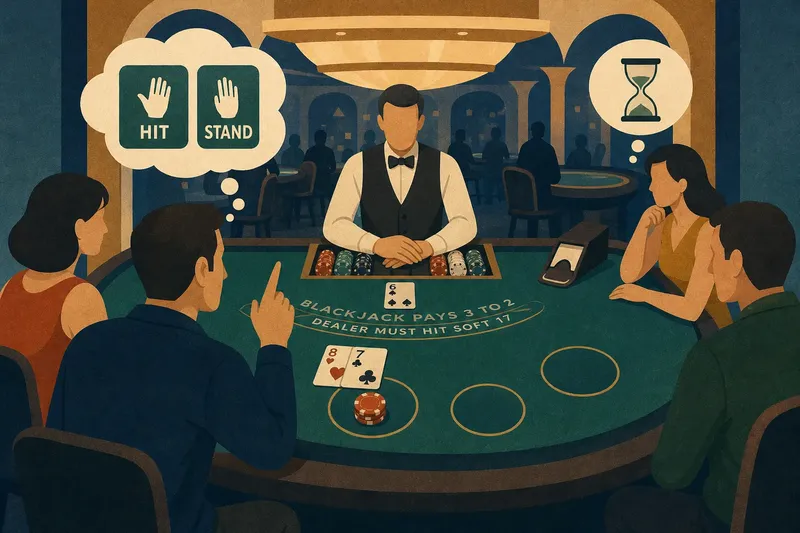
A game can provide a structure for a scene: turns, decisions and changing fortunes give events a natural order. The useful question is not whether the game looks dramatic, but whether its rules shape the character’s next action.
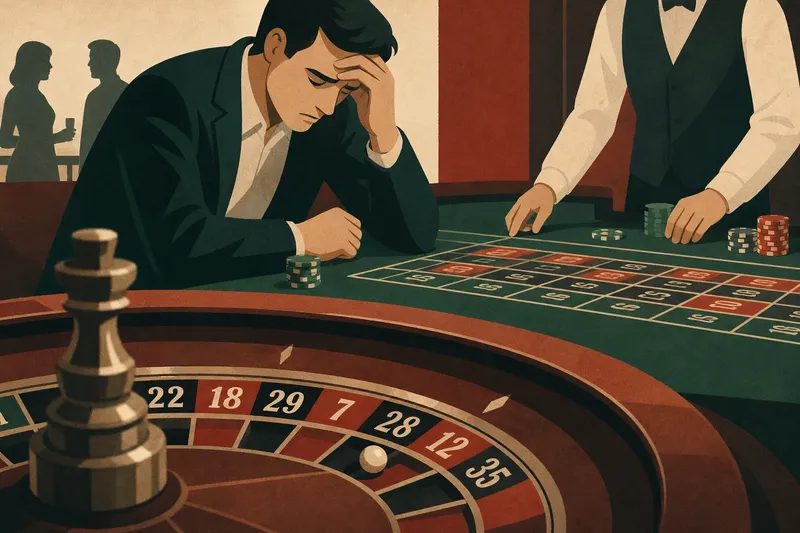
In a card game, a character may have to choose whether to fold, call or remain in the hand. In roulette, a character may place a bet before the wheel spins, then watch the result arrive beyond their control. The scenes differ because the actions and timing differ. Avoid treating all casino games as interchangeable props.
Accuracy need not become an explanation of every rule. Show only what the audience needs to understand the decision. If the plot turns on a player leaving a hand, establish what they stand to lose by doing so. If the game itself is incidental, let a character’s action carry the scene instead.
The casino’s layout can create a practical obstacle
Physical details can direct movement and restrict access. A table, a doorway, a counter or a narrow passage may determine who can reach whom and what can be seen. Those details matter when they change the available choices, not merely because they decorate the frame.
Consider the difference between a character finding a key on an open table and spotting it beneath a chair in a busy room. In the second version, retrieval may require a detour or a reason to bend down. The object’s position creates an action for the character.
Specificity comes from choosing details that affect the plot. A playing card can reveal that a character has returned to the table. A receipt may connect a person to a purchase. A coat left on a chair can indicate that someone expects to come back. Use an object when the audience can understand what it changes.
A casino object can carry meaning through repeated use
A prop becomes more than shorthand when its meaning changes as the story progresses. A chip might first be treated as a token in a game, then later become a reminder of a promise. The object does not need a speech attached to it; its significance can emerge through who keeps it and when they choose to use it.
Keep that meaning legible. If an object appears only once and has no effect on a later choice, it may be visual texture rather than a story element. If it returns, give each appearance a clear relation to what the character wants at that point.
Likewise, bright lights or a roulette wheel can establish a location quickly, but they do not supply a plot by themselves. Tie the image to a concrete event: a character enters, recognises someone or abandons a plan. The image then points towards an action rather than asking the audience to infer one from atmosphere alone.
Give the setting a clear job before adding its details
Decide what changes in the scene. Is a game forcing a decision? Is the layout creating an obstacle? Does an object connect this moment to an earlier one? If the answer is none of these, the casino may be an unnecessary backdrop.
- Check the game’s effect: if its rules force a choice, show the choice; if they do not, remove the game or make its timing alter the action.
- Check the character’s route: if a doorway, table or counter blocks a direct path, use that obstacle; if movement is unrestricted, give the layout another plot effect or simplify it.
- Check the important prop: if it is noticed, moved or kept for a reason, connect it to a later decision; if it has no consequence, remove it or keep it as background texture.
- Check the audience’s understanding: if the scene depends on a game rule, clarify the relevant choice; if the rule does not affect comprehension, leave the technical detail out.
- Check the scene’s turning point: if a character’s decision changes the plot, make that decision visible; if nothing changes, shorten the scene or give it a consequential action.
- Check the setting’s role: if the casino creates an obstacle or opportunity, retain the detail that does so; if another location would work unchanged, choose the more direct setting.
Imagine, with invented details, that Mara enters a casino with a folded note and a brass key. She intends to leave both at the coat counter for an accomplice. First, she places the note beneath the key so the two items stay together. Then she learns the counter is closing before her accomplice arrives. She carries the key to a card table, where she can leave it with a player who agreed to pass it along, but keeps the note because it names the accomplice. The observable result is that one object changes hands while the other remains with Mara. The scene’s decision is clear: the casino’s closing routine changes her plan, and the difference between the key and note sets the next action.
Several dramatic uses can coexist, but give one priority. If the game, the layout and the props all demand attention, the audience may not know which detail matters. Choose the one that changes the action and let the others support it.
Which casino details can move a story forward?
Does a casino scene need a gambling scene?
No. A casino can matter through its layout, objects or routines. Include a game when its rules or timing alter a character’s decision.
How much game detail should a story explain?
Explain only what the audience needs to follow the choice and its consequence. Leave out technical rules that do not change the action.
When should a casino prop return later?
Bring an object back when its meaning or use changes. If it has no effect on a later choice, it can remain background detail or be removed.
How can a setting feel specific without lengthy description?
Use one or two details that affect movement, access or decisions. A counter that is closing or a doorway blocked by a queue can do more than a long inventory of lights and tables.
Casino storytelling depends on consequential details
Casino storytelling becomes specific when the setting alters a choice, creates an obstacle or gives an object a continuing purpose. A game need not dominate the scene, and familiar imagery cannot substitute for action.
Keep the decisive detail visible. If a rule changes a character’s options, explain the choice it creates; if a prop changes hands, show who keeps it. That small clarity helps the audience follow not only where the scene takes place, but why it could not unfold quite the same way elsewhere.